

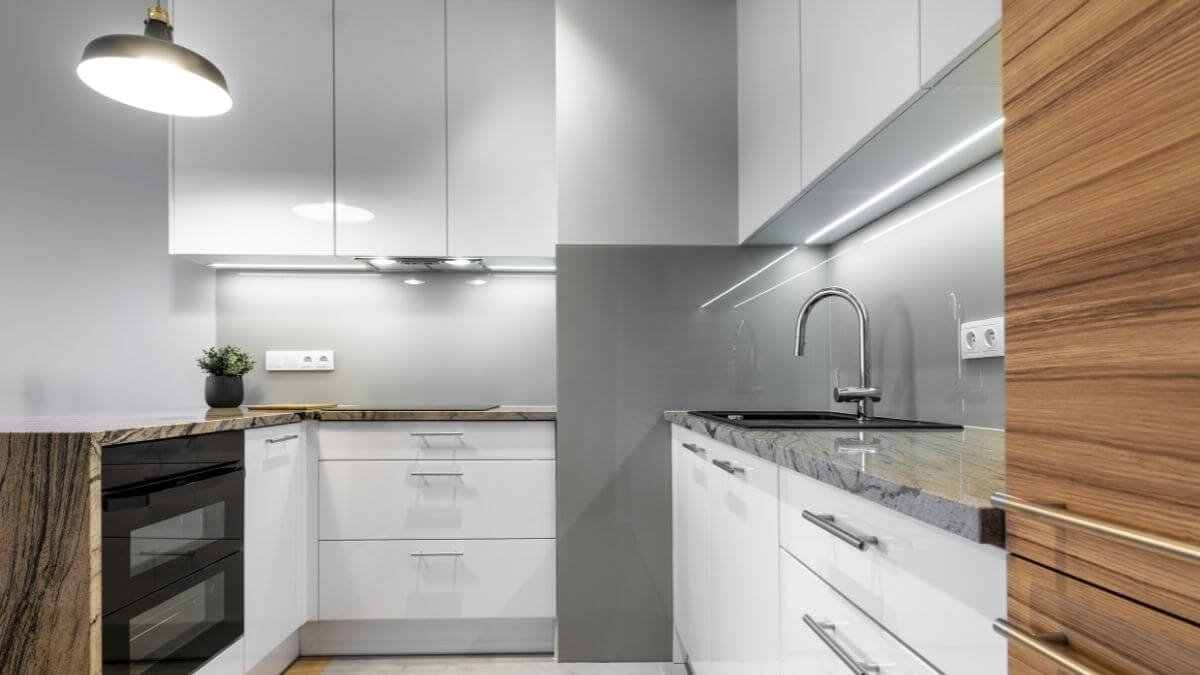
A stunning kitchen can make any home feel brand new, but the journey to finding the perfect cabinets is often filled with choices that go far beyond color or finish. At the heart of these decisions lies a fundamental question: Should you buy from retail stores or consider the growing world of wholesale kitchen cabinets?
Origins of Kitchen Cabinet Purchasing: Wholesale vs. Retail
In decades past, kitchen cabinetry was often a bespoke affair. Local carpenters crafted cabinetry on demand, with little in the way of standardization. This personalized touch brought uniqueness, but also high costs and lengthy timelines.
As consumer demand for faster, more affordable solutions increased, retail kitchen cabinet stores appeared. These outlets offered standardized sizes and finishes, making it easier for homeowners to select and install cabinets without months of waiting. The convenience of seeing products in showrooms changed the landscape, opening up design possibilities for a broader audience.
Wholesale options emerged as a response to the needs of trade professionals and large-scale projects. Over time, wholesale suppliers began attracting savvy homeowners seeking value, often offering access to the same trending designs found at retail, but through a different purchasing experience.
Structural and Design Evolution in Cabinets
The earliest retail cabinets were typically limited in style, with classic shaker and raised panel designs dominating the showrooms. As consumer tastes shifted, retailers expanded their collections to include everything from minimalist slab panels to ornate French miter styles.
Wholesale sources kept pace, competing not just on price, but on variety. Modern buyers can find wholesale kitchen cabinets in a dizzying array of finishes, from glossy melamine to textured laminate and durable thermofoil. Birch, MDF, oak, and even ABS laminate are just a few of the materials now available, reflecting a commitment to both aesthetics and performance.
Innovation did not stop with design. Materials once reserved for high-end, custom projects, like five-piece wood panels or advanced laminates, have filtered into wholesale and retail catalogs alike, giving consumers more options than ever.
Pricing Models and Cost Dynamics Over Time
One of the starkest contrasts between wholesale and retail lies in pricing. Retailers typically operate on a marked-up pricing structure, covering showroom costs, sales staff, and marketing. This can result in higher per-cabinet prices, especially for customized options or premium brands.
Wholesale pricing, on the other hand, is built around bulk sales and trade relationships. By streamlining distribution and focusing on volume, wholesalers pass meaningful savings to customers, whether they are contractors or homeowners. Bulk buying and trade discounts further reduce the investment required for major renovations.
| Aspect | Retail Cabinets | Wholesale Cabinets |
|——————-|————————-|————————|
| Price per Cabinet | Higher (includes markup)| Lower (bulk savings) |
| Minimum Orders | Single cabinet possible | Often sold in sets/bulk|
| Customization | More readily available | Increasingly available |
| Buyer | General public | Trade & public (now) |
Market demand has a direct impact: as home renovations surged, both retail and wholesale suppliers adapted pricing structures to remain competitive, making high-quality cabinets more accessible across the board.
Quality and Durability: Changes Through the Years
Buyers often associate retail cabinets with brand assurance and robust warranties. These factors are important, especially when investing in cabinetry intended to last for decades. Retailers tend to highlight manufacturer guarantees, which can offer peace of mind but sometimes come at a premium.
Wholesale suppliers have worked to debunk the myth that lower prices mean lower quality. Many maintain strict supplier standards and offer products built to the same specifications as branded retail counterparts. Advances in manufacturing have improved the overall durability of both wholesale and retail cabinets, with better finishes, improved hardware, and resistance to warping or fading.
Accessibility and Purchasing Experience Evolution
Retail showrooms still provide an immersive shopping experience, allowing customers to see, touch, and compare options in real time. Dedicated staff can answer questions and guide buyers through the process.
Wholesale shopping was once limited to contractors and builders, but that has changed. Today, homeowners can access many wholesale collections directly, often by appointment. The digital transformation has blurred the lines even further. Online platforms now offer the ability to browse, customize, and order both wholesale and retail cabinets from the comfort of home.
Installation and After-Sales Support Developments
Retail stores typically bundle installation services and after-sales support, making them an appealing choice for first-time renovators. Wholesale buyers may need to coordinate their own installers, but the growth of professional installation networks and DIY resources has made this far less daunting.
A surge in do-it-yourself home improvement during recent years has led to an increase in ready-to-assemble cabinet options. Both retail and wholesale suppliers have responded by offering guidance and support for consumers who want to take on installation themselves.
Future Trends Shaping Wholesale and Retail Kitchen Cabinets
Sustainability is emerging as a major driving force, with both wholesale and retail suppliers offering products made from eco-friendly materials or sustainable forestry practices. Customization is also on the rise, as modular cabinetry systems allow for greater flexibility without the need for full custom orders.
Technology plays an increasing role, with software tools for kitchen visualization and precise measurement, making it easier to order confidently whether buying retail or wholesale.
Making the Right Choice Today: Wholesale vs. Retail
The decision between wholesale and retail comes down to matching your project needs, timeline, and budget. Wholesale offers advantages in price and growing variety, while retail excels in service and ease of installation. The evolution of both models means there is no one-size-fits-all answer. Evaluate the quality, design, and support options available from each, and consider using both as resources for inspiration and value.
Armed with a clear understanding of the differences, today’s homeowners are better equipped than ever to create their dream kitchens, without compromise.
