

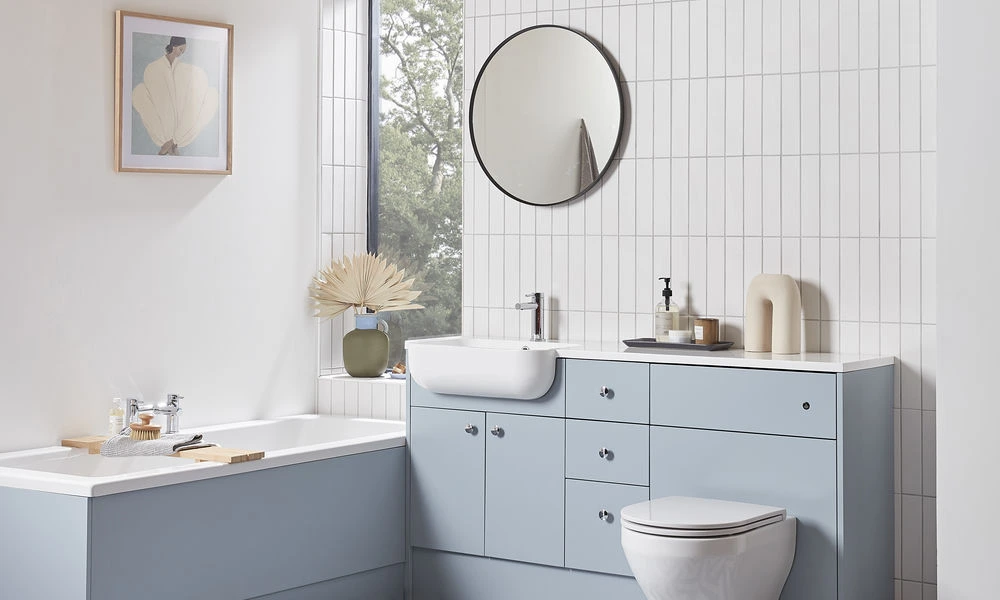
Choosing the perfect bathroom vanity is the moment the utilitarian meets the beautiful. A great vanity anchors your bathroom’s style, tames everyday clutter, and stands up to years of use. But with so many choices, sizes, materials, colors, features, which details actually matter if you want something that looks good and lasts?
What Are the Key Functions of a Bathroom Vanity?
A bathroom vanity is more than just a cabinet with a sink on top. At its best, it combines storage, counter space, and a focal point for your bathroom’s design. It should hide plumbing gracefully, make morning routines efficient, and provide a spot for all your essentials. When the right vanity is in place, it sets the tone of the entire space.
How Do I Choose the Right Size for My Bathroom Vanity?
Measuring Your Bathroom Space Accurately
Before you fall in love with a style, pull out the tape measure. Nothing derails a renovation faster than a vanity that doesn’t fit. Measure the width, depth, and available floor space, accounting for door swings and traffic. Remember to include clearance for drawers and doors.
Matching Vanity Size to Bathroom Layout and Usage
A small powder room calls for a slim, space-saving option, while a busy family bath might demand a double sink and plenty of storage. Think beyond width, depth and height matter too. For example, vanities range from compact 18-inch singles to expansive 72-inch doubles. Pick dimensions that suit daily routines and don’t overwhelm the space.
What Types of Bathroom Vanities Are Available?
Wall-Hung vs. Freestanding: Pros and Cons
The great debate often boils down to wall-hung versus freestanding. Wall-hung vanities float above the floor, creating a modern, airy look and making cleaning a breeze. Freestanding vanities root the room visually and often provide more storage.
| Type | Pros | Cons |
|—————-|—————————————|—————————————|
| Wall-Hung | Modern look, easy cleaning, space-saving | Requires sturdy wall, less storage |
| Freestanding | Classic, more storage, easier to install | Can look bulky, harder floor cleaning |
Single Sink vs. Double Sink Configurations
Single sink vanities maximize counter space in smaller bathrooms. Double sinks are ideal for shared master baths, allowing two people to get ready at once. The choice depends on both space and lifestyle.
Which Materials Ensure Longevity and Durability?
Cabinet Construction: Wood, MDF, and Metal Frames
Solid wood offers classic durability but can be expensive. MDF (medium-density fiberboard) is budget-friendly and resists warping better than wood in humid environments, if high quality. Metal-framed options add strength and a modern edge.
Countertop Options: Polymarble, Engineered Quartz, Ceramic, and Solid Surface
Countertops need to fight off water, stains, and scratches. Polymarble blends affordability with easy maintenance. Engineered quartz brings luxury and resilience, resisting stains and chips. Ceramic is timeless and easy to clean, while solid surface materials give a seamless, contemporary look. Think about which will stand up to your household’s realities.
How to Pick the Perfect Style and Finish for Your Bathroom?
Popular Colors and Textures: White, Black, Oak, Walnut, and More
Neutral finishes like white and grey never go out of style and make spaces look bigger. If you want a statement, matte black, walnut, and textured oak can add warmth or drama. Each color and texture supports a different design theme, from spa-like minimalism to bold, contemporary statements.
Coordinating Vanity Style with Bathroom Design Themes
A wall-hung oak vanity pairs well with Scandinavian-inspired decor, while a glossy black freestanding option suits modern urban spaces. Let your vanity echo other fixtures and the overall palette, so the room feels intentional.
What Features Add Value and Convenience?
Soft-Close Drawers and Doors
Slamming drawers are a relic of the past. Soft-close hardware protects both the vanity and your peace and quiet, extending the life of moving parts.
Storage Solutions and Organizational Features
Look for interior dividers, deep drawers, and pull-outs that make organization simple. Open shelving can keep towels handy; closed cabinets hide away clutter. Great bathroom vanities blend storage with smart design.
How to Balance Quality with Budget?
Price Ranges Explained
Vanities span from affordable $300 basics to designer pieces over $3,000. Cheaper options are tempting but may use lower-quality finishes or hardware. Mid-range vanities often balance cost and durability with features like soft-close drawers.
When to Invest More for Long-Term Value
If your bathroom gets daily use or if you plan to stay in your home for years, investing in premium materials and hardware pays off through fewer repairs and a longer lifespan. Sometimes, spending more upfront saves money down the line.
Where to Buy and What to Expect from Suppliers?
Shopping Locally vs. Online: Advantages and Considerations
Buying locally lets you touch materials and see true colors, plus get expert advice. Online stores offer wider selections and sometimes better pricing, but check for detailed specs and clear images.
Understanding Shipping, Returns, and Customer Support Options
Don’t overlook logistics. Reputable suppliers offer transparent return policies, live help, and, in some cases, free shipping on larger orders. Look for high customer ratings and straightforward support if issues arise.
—
The difference between a bathroom upgrade that delights for years and one that disappoints often comes down to careful planning and smart choices. Use this checklist to weigh your options, clarify your needs, and invest in a bathroom vanity that truly lasts.
