

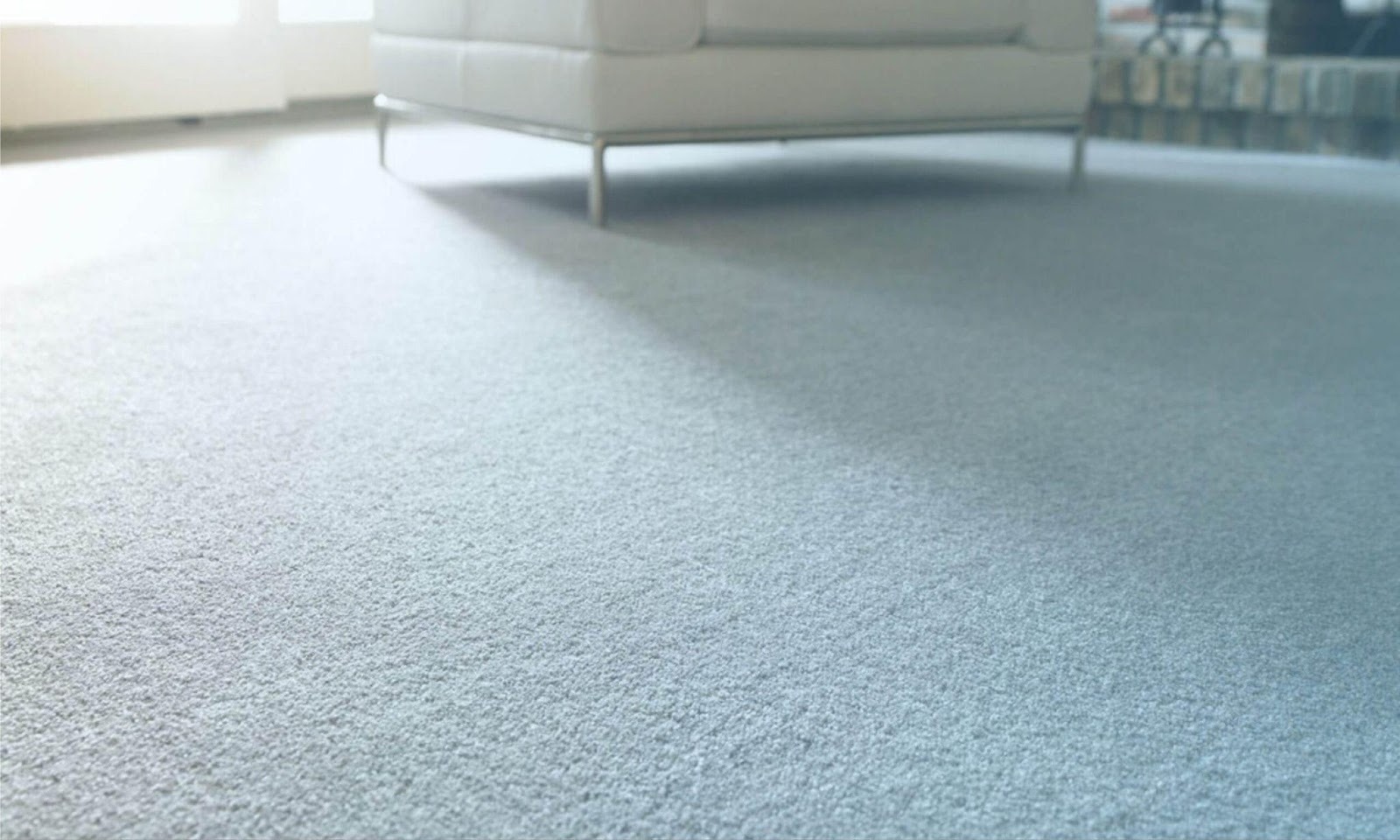
In recent years, sustainability has become more than just a buzzword—it’s a lifestyle choice. From eco-friendly furniture to energy-efficient lighting, homeowners are making conscious decisions to reduce their environmental footprint. One area often overlooked, however, is flooring. Carpets, long considered a staple in interior design for comfort and style, are now evolving to meet the needs of eco-conscious consumers. Eco-friendly carpet not only bring warmth and style to a home but also contribute positively to the planet.
Why Choose Eco-Friendly Carpets?
Traditional carpets are often made from synthetic fibers such as nylon, polyester, and polypropylene. While these materials are durable and affordable, they come with environmental drawbacks. They are derived from non-renewable petroleum resources, release volatile organic compounds (VOCs), and are not biodegradable. Over time, discarded synthetic carpets contribute significantly to landfill waste.
Eco-friendly carpets, on the other hand, are crafted from natural, renewable, and recyclable materials. They reduce environmental impact at every stage—from production to disposal. Choosing sustainable carpets not only benefits the planet but also improves indoor air quality and provides a safer environment for families and pets.
Popular Sustainable Carpet Materials
Several innovative materials are leading the way in eco-friendly carpet design. Here are some of the most popular options:
Jute Carpets
Jute is a natural fiber extracted from plants, known for its strength and durability. Jute carpets have a rustic charm, providing a warm and earthy aesthetic to modern interiors. They are biodegradable, lightweight, and produced with minimal chemical treatments, making them one of the most eco-friendly carpet options available.
Wool Carpets
Wool has been a traditional carpet material for centuries, and it remains a sustainable choice today. Wool is renewable, biodegradable, and naturally flame-retardant. Wool carpets also offer excellent insulation, helping reduce energy consumption in homes. Modern wool carpets are designed to resist stains and wear, ensuring long-lasting durability.
Bamboo Carpets
Bamboo is a fast-growing plant that regenerates quickly without the need for pesticides or chemical fertilizers. Carpets made from bamboo fibers are soft, durable, and naturally resistant to moisture. This makes them ideal for areas like living rooms and bedrooms where both comfort and sustainability are priorities.
Recycled Fiber Carpets
Recycling has reached the flooring industry, too. Many brands now produce carpets from recycled materials such as plastic bottles, old carpets, and industrial waste. These carpets help divert waste from landfills while reducing the need for virgin materials. Recycled fiber carpets often mimic the texture and quality of synthetic carpets while supporting a circular economy.
Benefits of Eco-Friendly Carpets
Switching to sustainable carpets offers numerous benefits beyond environmental impact:
- Improved Indoor Air Quality: Many eco-friendly carpets are free from harmful chemicals and VOCs, making the indoor environment safer for children, pets, and allergy sufferers.
- Durability: Natural fibers like wool and jute are incredibly resilient, reducing the need for frequent replacements.
- Aesthetic Versatility: Sustainable carpets come in a wide range of textures, patterns, and colors, allowing homeowners to maintain style without compromising on sustainability.
- Thermal and Acoustic Insulation: Wool and jute carpets naturally regulate temperature and absorb sound, enhancing comfort in living spaces.
Choosing the Right Eco-Friendly Carpet
Selecting the perfect sustainable carpet involves more than picking a material. Consider the following tips:
- Check Certifications: Look for eco-labels such as Green Label Plus, Cradle to Cradle, or OEKO-TEX, which verify that the carpet meets environmental and health standards.
- Consider Maintenance: Some natural fibers require specific care. For instance, wool carpets may need regular vacuuming and occasional professional cleaning to maintain their appearance.
- Evaluate Lifespan: Invest in high-quality carpets that last longer, as longevity is a crucial aspect of sustainability.
- Balance Aesthetics and Functionality: Choose carpets that suit your interior design while offering durability, comfort, and eco-friendly properties.
Conclusion
Sustainability doesn’t mean compromising on style or comfort. With eco-friendly carpet Abu dhabi homeowners can create beautiful, cozy, and environmentally responsible living spaces. From jute to wool, bamboo to recycled fibers, sustainable carpets provide a variety of options that cater to modern tastes while reducing ecological impact.
As awareness of environmental responsibility grows, choosing sustainable carpets is not just a trend—it’s a lifestyle shift. By making thoughtful choices in flooring, homeowners can enjoy the warmth, texture, and design of carpets while contributing to a healthier planet. Investing in eco-friendly carpets is an investment in the future—both for your home and the world we share.
