

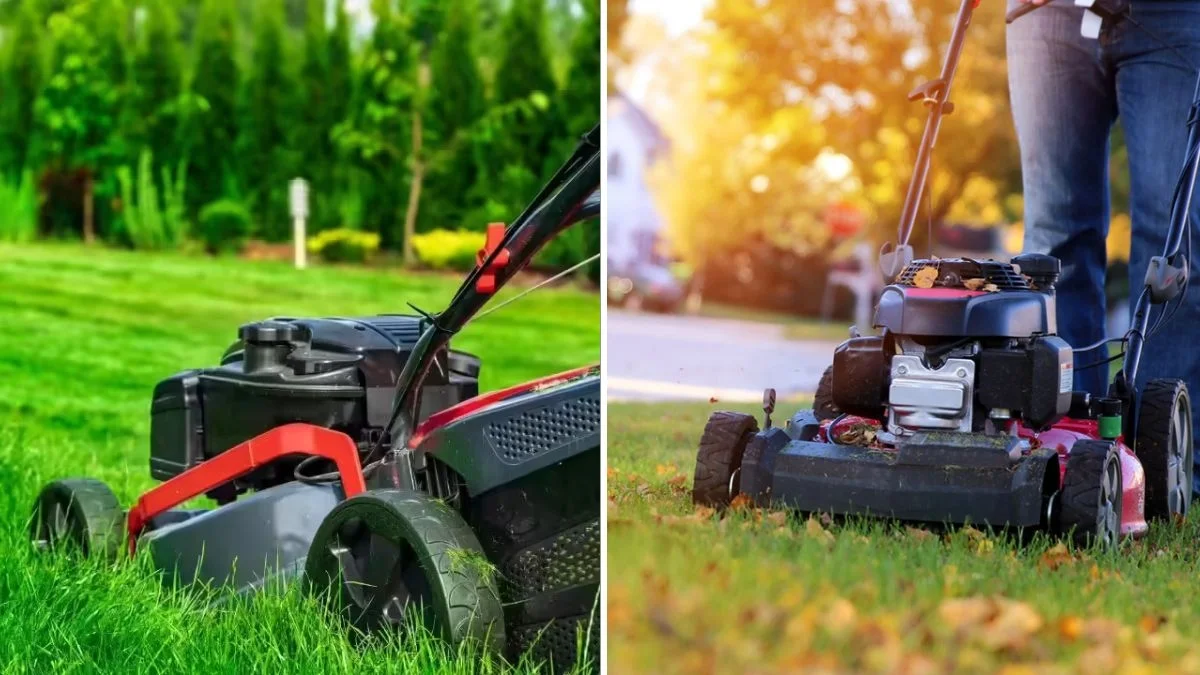
A vibrant, healthy lawn is the hallmark of a well-kept property, but achieving one requires more than occasional mowing and watering. Many homeowners unknowingly make mistakes that compromise their turf, leading to thin grass, brown patches, and increased susceptibility to pests and weeds. Understanding these common errors and knowing how to correct them is the first step toward cultivating a lush, resilient lawn that can thrive year-round.
This article explores five frequent lawn care mistakes in detail, why they happen, and actionable strategies to prevent them, helping homeowners maximize the health and beauty of their outdoor spaces.
1. Overwatering or Underwatering
Water is essential for grass growth, yet many homeowners struggle to strike the right balance. Too much water encourages shallow root growth, makes turf prone to fungal diseases, and creates an inviting environment for weeds. On the other hand, under-watering stresses grass, causing it to turn brown and become more susceptible to pests.
Best practices for watering:
- Deep, infrequent watering: Apply about 1 to 1.5 inches of water per week, preferably in one or two sessions, to encourage deep root development.
- Timing matters: Water early in the morning to reduce evaporation and minimize the risk of disease caused by prolonged moisture on blades.
- Use tools: Employ a rain gauge, irrigation system, or soil moisture sensor to monitor water levels accurately.
- Adjust seasonally: Grass needs more water during hot summer months and less during cool, rainy periods.
Proper irrigation ensures grass develops strong roots, increases drought resilience, and reduces long-term maintenance costs.
2. Mowing Mistakes That Stress Grass
Mowing is often underestimated as a component of lawn health, but improper mowing can significantly harm turf. Common mistakes include cutting grass too short, using dull mower blades, or removing too much of the blade at once.
- Cutting too short (scalping): Removing more than one-third of the blade weakens the plant, reduces photosynthesis, and exposes soil to drying and weeds.
- Dull blades: Blades that tear rather than cut leave jagged edges that are more susceptible to disease.
- Inconsistent mowing frequency: Irregular mowing can stress grass, especially during rapid growth periods in spring and summer.
Tips for optimal mowing:
- Keep mower blades sharp and replace them at least once per season.
- Follow the “one-third rule”: never remove more than one-third of the grass blade length at a time.
- Adjust the cutting height based on season and grass type. Taller grass in summer provides shade to soil, retains moisture, and discourages weeds.
- Mow when the grass is dry to prevent uneven cutting and clumping.
3. Neglecting Soil Health
Soil is the foundation of a healthy lawn, yet it is often overlooked. Compacted soil, nutrient deficiencies, or improper pH levels can prevent grass from reaching its potential, no matter how much water or fertilizer is applied.
- Soil testing: Conduct a soil test every 2–3 years to check pH, nitrogen, phosphorus, potassium, and organic matter content.
- Aeration: Compacted soil prevents water, oxygen, and nutrients from reaching roots. Aeration improves soil structure, enhances root growth, and helps beneficial microorganisms thrive.
- Fertilization: Apply fertilizers tailored to soil needs. Overfertilization can damage grass and harm the environment, while under-fertilization starves the lawn.
- Organic amendments: Incorporate compost or topsoil to improve nutrient retention and moisture absorption.
Prioritizing soil health ensures grass is strong, resilient, and less prone to stress or disease.
4. Ignoring Weed and Pest Management
Weeds and pests are persistent threats to lawn health. Left unchecked, they compete with grass for water, sunlight, and nutrients.
- Weed control: Apply pre-emergent herbicides in early spring to prevent annual weeds such as crabgrass. For existing weeds, spot-treat with post-emergent solutions.
- Pest monitoring: Inspect the lawn regularly for grubs, chinch bugs, and other insects that damage roots or blades.
- Integrated pest management: Use targeted treatments and natural deterrents to minimize chemical usage and maintain ecological balance.
Consistent monitoring and timely intervention keep lawns robust and visually appealing throughout the growing season.
5. Failing to Adjust Practices by Season
Grass has different needs depending on the time of year. Applying the same care routine throughout the year can weaken turf and reduce resilience.
- Spring: Focus on dethatching, aeration, fertilization, and pre-emergent weed control.
- Summer: Prioritize watering, adjust mowing height, and monitor for heat stress or pests.
- Fall: Overseed bare spots, fertilize to strengthen roots, and control late-season weeds.
- Winter: Limit foot traffic on dormant grass, remove debris, and prepare equipment and soil for spring growth.
By aligning care practices with seasonal growth patterns, homeowners ensure stronger, thicker, and healthier turf year-round.
Additional Tips for a Thriving Lawn
- Mulching: Leaving grass clippings on the lawn recycles nutrients and reduces fertilizer needs.
- Right grass selection: Choose grass varieties suited to your climate, soil type, and sunlight exposure.
- Consistent maintenance: Regular inspection, mowing, watering, and soil care prevents small problems from escalating.
- Professional support: Lawn care experts can provide tailored plans, identify hidden problems, and apply advanced treatments that maximize results.
Conclusion
Maintaining a beautiful lawn requires knowledge, planning, and attention to detail. Avoiding common mistakes such as overwatering, improper mowing, neglecting soil health, ignoring weeds and pests, and failing to adjust care by season dramatically improves the health, resilience, and appearance of turf.
For homeowners seeking expert guidance and reliable, year-round strategies, professional services specializing in lawn care in Newtown CT can help optimize your yard, ensuring it remains lush, green, and thriving through every season.
