

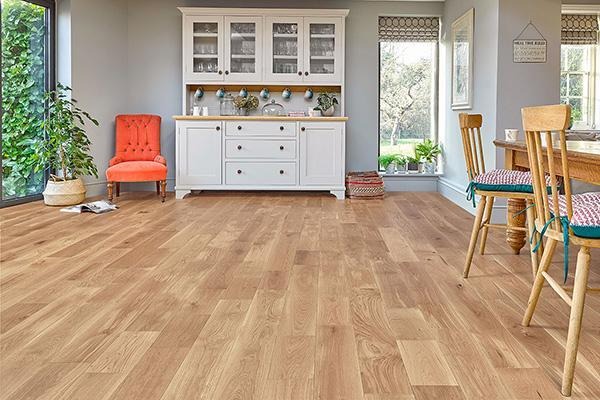
Wooden flooring has long been considered the hallmark of elegance in interior design. Whether in homes, offices, hotels, or luxury retail spaces, it instantly elevates the ambiance with its natural warmth, character, and timeless charm. As modern homeowners continue to seek beautiful yet durable flooring solutions, wooden flooring remains one of the most preferred options. Its rich textures, lasting strength, and ability to blend seamlessly with any décor style make it an investment that adds both beauty and value to any space.
In this comprehensive guide, we explore the many advantages of wooden flooring, its common applications, maintenance tips, and why it continues to be a top choice for both contemporary and classic interiors.
Why Wooden Flooring Stands Out
One of the key reasons wooden flooring remains popular across generations is its natural beauty. No two planks are the same, offering unique grains, patterns, and colors that enhance the character of a room. This individuality creates a sense of authenticity that synthetic floor coverings can rarely match.
Wooden floors are not just about aesthetics — they are also incredibly durable. High-quality wooden flooring, when maintained properly, can last for decades. Its robustness makes it suitable for high-traffic areas like living rooms, hotel lobbies, and office spaces. The ability to sand and refinish the surface multiple times gives wooden flooring a longer lifespan than many other flooring materials.
In addition to durability, wooden floors improve indoor air quality. Unlike carpets, wooden flooring does not trap dust, allergens, or pollutants. This makes it a healthier flooring option, especially for people with asthma or allergies. The smooth finish ensures easy cleaning and maintenance while maintaining a fresh and hygienic environment.
Another major advantage is its versatility. Whether you prefer a rustic farmhouse look, contemporary minimalism, or classic luxury, wooden flooring suits all interior styles. It can be paired with different wall colors, furniture finishes, and textile accents to create cohesive and visually appealing spaces.
Types of Wooden Flooring
Wooden flooring comes in various types, each offering unique characteristics and benefits:
Solid Wood Flooring
Made from a single piece of natural wood, solid wood flooring is known for its unmatched authenticity and longevity. It can be sanded and refinished several times, making it ideal for long-term use.
Engineered Wood Flooring
Created by bonding multiple layers of wood together, engineered wood flooring provides greater stability and resistance to moisture. It is perfect for areas where humidity levels fluctuate, such as kitchens or basements.
Parquet Wood Flooring
This decorative style uses small wooden pieces arranged in geometric patterns. Parquet flooring adds artistic flair to interiors and is commonly used in luxury residential spaces, offices, and boutique hotels.
Reclaimed Wood Flooring
Eco-friendly and full of character, reclaimed wood flooring is made from repurposed wood. Its distressed look appeals to those seeking sustainable and unique flooring solutions.
Common Applications of Wooden Flooring
Wooden flooring is versatile enough to be used in a wide variety of environments:
Residential Spaces
Homeowners frequently opt for wooden flooring in living rooms, bedrooms, dining areas, and even kitchens. Its warmth makes living spaces feel cozy and inviting.
Commercial Interiors
Boutiques, premium offices, cafés, and hotels rely on wooden flooring to convey sophistication and professionalism. The natural finish enhances brand presentation and customer experience.
Hospitality Settings
From luxury resorts to premium suites, wooden flooring adds elegance and comfort to hospitality interiors. It complements modern décor trends and enhances the overall guest experience.
Retail Stores
High-end retail brands use wooden flooring to highlight product displays and create an upscale ambiance. Its natural tone pairs beautifully with various lighting styles.
Maintenance Tips for Wooden Flooring
Proper maintenance ensures that wooden flooring retains its beauty and performance for decades. Here are some important maintenance tips:
Regular Cleaning
Use a soft broom or vacuum cleaner to remove dust and dirt. Mop the floor with a damp cloth — not a soaking wet one — to avoid moisture damage.
Avoid Harsh Chemicals
Use pH-neutral cleaning agents approved for wooden floors. Harsh chemicals can strip the finish and dull the surface.
Protect from Scratches
Place felt pads under furniture legs. Avoid dragging heavy furniture across the floor, as it may cause scratches.
Maintain Humidity Levels
Wood reacts to moisture, so maintaining a balanced indoor humidity level prevents expansion or contraction.
Refinish When Needed
Sanding and refinishing restore the original shine and remove surface imperfections. This process extends the lifespan of the flooring significantly.
Why Wooden Flooring Is a Great Choice
Wooden flooring adds natural warmth, enhances interior aesthetics, and increases property value. Its long-lasting durability and ease of maintenance make it a practical choice for both homes and commercial environments. Additionally, modern advancements in wooden flooring technology like engineered wood offer higher stability, making it suitable for various climates and conditions.
If you’re seeking a flooring option that combines beauty, strength, and timeless elegance, wooden flooring stands as one of the most reliable and stylish choices available. Whether you’re upgrading your home interiors or designing a luxury commercial space, wooden flooring promises a perfect balance of visual appeal and unmatched performance.
