

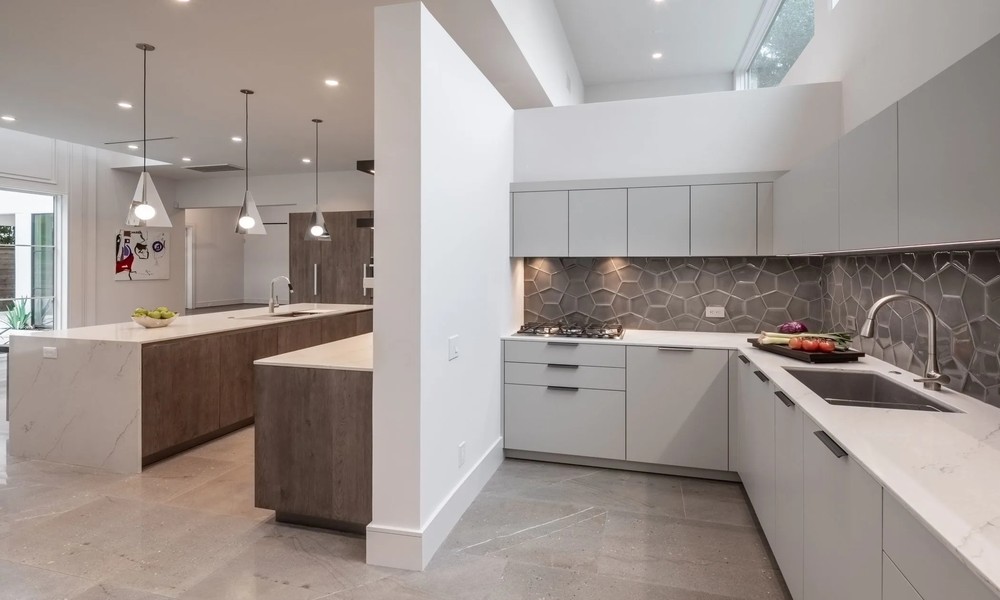
Modern homes are changing fast. Design ideas are shifting in clear ways. The concept of one central kitchen feels outdated today. Families want more space and more control. The idea of decentralization now shapes home planning. So, this change supports flexible living patterns. Many homeowners seek comfort and privacy in daily routines.
The Shift Toward Decentralized Living
Homes once followed a strict layout. Rooms had fixed roles and clear limits. The kitchen stayed at the center of activity. But modern life brings new demands. Work from home setups require quiet zones. Cooking habits also vary across family members. So, designers now rethink traditional layouts.
A decentralized plan spreads functions across spaces. This layout reduces crowding in one area. The kitchen no longer carries all responsibilities. Smaller cooking zones now support daily needs. Families enjoy smoother movement within the home. This shift improves both comfort and efficiency.
Understanding the Secondary Kitchen Concept
The secondary kitchen serves as an extra workspace. This area supports preparation and cleanup tasks. The main kitchen remains for social cooking. But the secondary space handles routine work. This setup keeps the primary area neat. Sometimes the secondary kitchen includes a sink and storage. It may also feature basic appliances. The design stays simple and practical. The purpose focuses on utility rather than style. So, homeowners gain a hidden support system for daily cooking.
Lifestyle Benefits of Dual Kitchen Spaces
Families benefit from added flexibility in daily life. Different members can cook without conflict. This arrangement supports diverse food habits. It also helps during gatherings and celebrations. So, the main kitchen stays organized for guests.
Privacy becomes easier with a second kitchen. Strong smells remain contained in one area. Cleaning tasks feel less stressful and more controlled. The home maintains a calm and polished appearance. This balance improves overall living quality.
Design and Planning Considerations
Architects consider flow and accessibility first. The placement of the secondary kitchen matters greatly. It should connect easily to service areas. But the space must remain discreet and separate. This balance ensures smooth usage. Material choices often focus on durability and ease of cleaning. Storage solutions stay compact yet efficient. Lighting remains functional and bright. Sometimes designers include ventilation systems for better air quality. The overall design supports long term convenience.
Market Demand and Future Outlook
The demand for flexible homes continues to rise. Buyers now look for adaptable living spaces. The secondary kitchen meets this growing need. So, developers include this feature in new projects. This trend spreads across urban and suburban homes.
Luxury homes often highlight this feature strongly. But mid-range housing also adopts the concept. Retailers like Universal Appliance and Kitchen Center support this shift with tailored solutions. The future of home design clearly favors decentralization. This approach aligns with modern lifestyles and evolving expectations.
Conclusion
Architectural decentralization reflects changing human needs. The secondary kitchen stands as a practical response. This trend improves comfort and efficiency at home. It supports diverse routines and personal preferences. So modern homes continue to evolve in thoughtful ways.
