

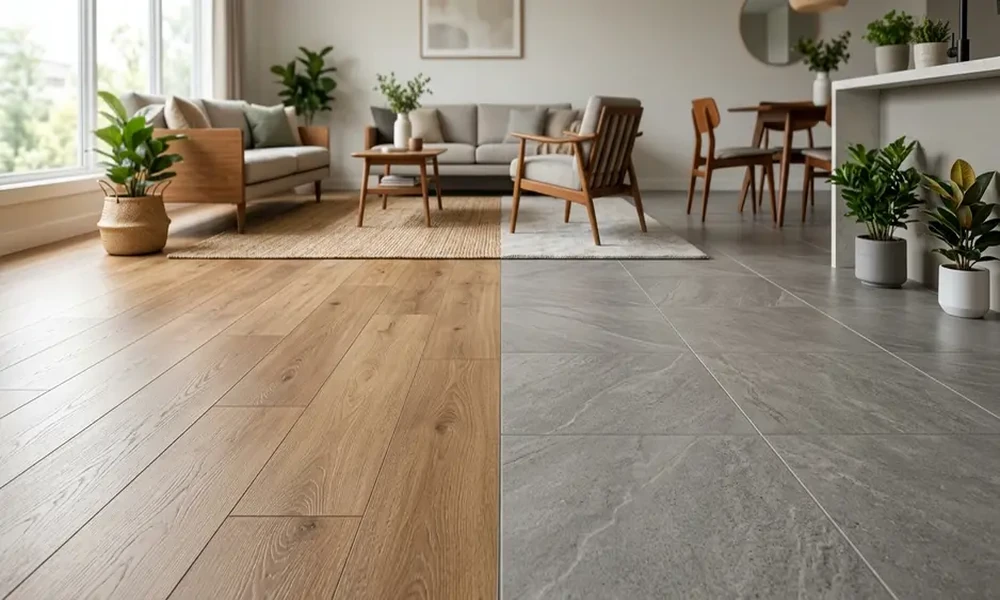
Picture a modern living space: sleek surfaces, natural light, flooring that anchors the room with style and durability. When it comes to finishing a space that stands the test of time and taste, few choices spark as much debate as porcelain tiles and SPC (Stone Plastic Composite) flooring. Each material has carved its own path into the world of interior design, but what truly sets them apart?
The Origins and Rise of Porcelain Flooring
Porcelain flooring’s story begins centuries ago. In early development, artisans across ancient China, Italy, and beyond transformed dense clay into tiles that resisted moisture and wear. Traditionally, these elegant surfaces graced grand halls and humble homes alike, loved for their cool touch and stone-like resilience.
Fast-forward to the present. Porcelain holds its ground in modern interiors, now boasting options that range from minimalist slabs to intricate patterns. Its role has grown from purely practical to a canvas for design statements, especially as technological advances deliver larger sizes, thinner profiles, and surfaces that mimic everything from marble to wood.
The Emergence of SPC Flooring
SPC flooring, on the other hand, is a newcomer. Built with layers of natural limestone powder, polyvinyl chloride, and stabilizers, this engineered marvel is manufactured for ultimate stability. The result? A plank that is rigid, waterproof, and incredibly resilient.
What catapulted SPC into the spotlight? Its ability to combine the look of natural materials (wood, stone, even ceramic) with easy installation and remarkable durability. Contemporary spaces, particularly rentals, condos, and offices, benefit from the quick transformation SPC offers. Market adoption has surged in recent years, thanks in part to competitive pricing and the boom in DIY home improvement.
| Material | Average Price per sq. ft. | Water Resistance | DIY-Friendly? | Longevity |
|————|————————–|——————|————–|————–|
| Porcelain | $1.99+ | Excellent | Moderate | 20+ years |
| SPC | $1.39+ | 100% Waterproof | High | 10-20 years |
*Based on recent pricing from suppliers such as Club Ceramic.*
Material Properties and Performance Over Time
Porcelain tiles are known for their density and low porosity. This translates to outstanding water resistance and strength, especially in high-traffic or moisture-prone areas like bathrooms and kitchens. Maintenance is straightforward: a damp mop and mild cleaner usually suffice. Over decades, porcelain rarely fades or scratches, making it a favorite for long-term value.
SPC’s core strength lies in its waterproof features and flexibility. Unlike laminate or traditional vinyl, SPC’s rigid core prevents warping, even with spills or humidity swings. However, while its wear layer is tough, deep scratches can reveal the pattern underneath. Over time, high-traffic zones may show more wear compared to porcelain, although replacing a plank is generally easier than swapping out a tile.
Installation Evolution: From Traditional to Modern Techniques
Laying porcelain tiles is both art and science. It usually requires careful subfloor prep, precise cutting, and professional-grade adhesives or grout. Large spaces or intricate patterns can drive up labor and material costs, but the result is a rock-solid surface.
SPC flooring flips the script. Most products use a click-lock system that floats over existing floors, with no glue or nails required. Homeowners can often install it themselves with basic tools. The savings in time and labor are significant, making SPC a top pick for rapid renovations or commercial makeovers.
Aesthetic Trends and Design Flexibility
One look at a porcelain tile showroom reveals endless possibilities. Matte, glossy, patterned, or stone-inspired finishes ensure there’s a style for every vision. Customization is a strength, as manufacturers can replicate rare marbles or artisanal mosaics in durable ceramic.
SPC isn’t left behind. Its print technology has evolved to rival natural wood grains, stone patterns, and even tile-look planks. Trends show a rising demand for wide planks, distressed finishes, and bold hues, all available in SPC’s catalog. As design preferences shift toward warmth and authenticity, both materials are responding with ever more convincing visuals.
Environmental and Health Considerations Through the Years
Sustainability has become a central concern in flooring selection. Porcelain, made from natural clay and fired at high temperatures, has a long lifespan and is often recyclable. Still, the energy-intensive manufacturing process can contribute to emissions.
SPC’s impact is nuanced. Advances in eco-friendly materials have reduced the use of virgin plastics, and some brands incorporate recycled content. Both options are low in VOC emissions, but consumers should verify certifications for indoor air quality, especially in sensitive environments.
Pricing Trends and Value Over Time
Cost always factors into the equation. Porcelain’s higher initial investment is balanced by exceptional longevity and minimal maintenance, making it an astute choice for forever homes or commercial properties. SPC’s lower upfront price and lower installation costs provide an edge, especially for quick upgrades or spaces likely to see redesign in a decade or two.
| Feature | Porcelain | SPC |
|—————–|——————|——————–|
| Initial Cost | Higher | Lower |
| Installation | Professional | DIY possible |
| Lifespan | 20+ years | 10-20 years |
| Maintenance | Low | Low-moderate |
Future Directions: Innovations Shaping the Flooring Industry
Porcelain tile manufacturing is embracing digital printing, nanotechnology, and ultra-thin slabs that open new horizons for both aesthetics and practical applications. SPC continues to push boundaries with even more realistic textures, improved acoustic properties, and easier installation systems.
As for what tomorrow holds? Smart floors, enhanced environmental standards, and personalized design tools are likely to reshape the market. For those comparing options today, resources like Club Ceramic Tiles can provide expert guidance and a range of innovative products tailored to the needs of modern spaces.
In the end, choosing between porcelain and SPC comes down to priorities: longevity and craftsmanship versus flexibility and convenience. Both have earned their place in the homes and businesses of today, and the design stories of tomorrow.
