

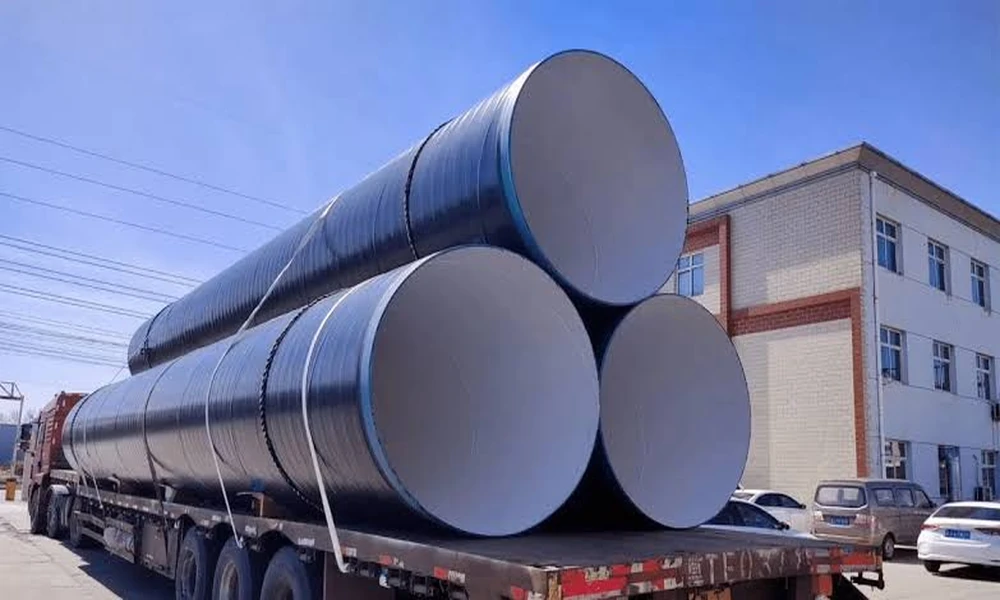
A skyscraper’s foundation or a bridge’s stability often rests on elements the public never sees: steel piling pipes that drive deep into the earth. But not all piling pipes are created equal, and the ASTM A252 standard is the unsung hero dictating their strength, durability, and suitability for the job.
The Role of ASTM A252 in Piling Pipe Performance
Steel piling pipes are foundational to modern construction, serving as the backbone for deep foundations, marine structures, and more. The reliability of these pipes depends on rigorous standards, and ASTM A252 stands at the center. This specification ensures every piling pipe, or pile tube, offers the structural integrity needed when transferring weight from above to the stable ground or bedrock below.
Understanding ASTM A252 Standards and Grades
ASTM A252 defines the requirements for welded and seamless steel pipe piles, focusing on three main grades, each tailored for different project demands. The core of these requirements lies in the minimum yield strength, which is the stress a material can withstand without permanent deformation.
Why Yield Strength Matters in Foundation Design
Imagine a foundation pipe buckling under a building’s weight or failing under lateral loads during a storm. The specified yield strength is directly related to a pipe’s ability to resist such stresses. Higher grades translate to higher load capacity and greater safety margins, which is why engineers scrutinize these numbers on every project.
Overview of Grades 1, 2, and 3: Properties and Applications
Grade 1, with a minimum yield strength of 30,000 psi, is often sufficient for lighter structures or less demanding soil conditions. Grade 2 raises the bar to 35,000 psi, striking a balance between cost and strength. Grade 3, at 45,000 psi, is the go-to for heavy-duty applications, think major bridges, marine environments, and large caissons.
Real-World Applications: How ASTM A252 Grades Influence Project Outcomes
Every construction scenario comes with its own challenges, and the right ASTM A252 grade can mean the difference between long-term stability and costly remediation.
Case Study 1: Deep Foundations Using Grade 1 Pipe Piles
For low-rise buildings or temporary structures where loads are moderate, Grade 1 pipe piles provide reliable performance without overspending on higher strength (and costlier) materials. These pipes ensure safe load transfer while keeping budgets in check.
Case Study 2: Marine Structures with Grade 3 Pipe Tubes
Saltwater, waves, and shifting soils stress marine piling far beyond what most land-based foundations experience. In these cases, Grade 3’s superior yield strength and toughness help protect against bending, corrosion, and fatigue, ensuring the structure’s longevity against harsh elements.
Case Study 3: Micro-Piling Solutions and Grade Selection
Micro-piles, small-diameter, high-strength piles used in underpinning or tight urban spaces, often require a nuanced approach. Selecting between Grades 2 and 3 depends on site conditions; higher grades may be essential in load-sensitive environments or where space limits pile diameter.
Selecting the Right Grade for Your Project Needs
Choosing the right piling pipe is as much about the environment as the structure above it.
Assessing Load Requirements and Soil Conditions
Site engineers analyze everything from the building’s mass to the soil’s bearing capacity. A residential development on firm soil may call for Grade 1, while a hospital expansion on soft, shifting ground could require Grade 3.
Matching Diameter, Wall Thickness, and Grade for Optimal Performance
Piling pipe performance hinges on three main variables: diameter, wall thickness, and grade. Engineers tailor these parameters according to load demands and ground conditions, always seeking the safest and most cost-effective combination.
Cost-Benefit Analysis: New vs. Surplus vs. Used Piling Pipes
Using surplus or quality used pipe piles can deliver substantial savings without compromising structural integrity, provided the pipes are properly graded and inspected. For projects where specifications are strict or regulatory requirements are high, new pipes may be the only option.
Fabrication and Preparation: Enhancing Pipe Performance on Site
Performance doesn’t stop at the mill. Fabrication plays a pivotal role in how pile pipes function in the field.
The Importance of Cutting, Beveling, and Splicing
Precision cutting ensures each pile meets design length. Beveling facilitates seamless welding, and splicing joins piles for greater depth. Missteps here can lead to costly delays or even structural issues later.
Welding Techniques and Coating Options to Extend Pipe Life
High-quality welding sustains the structural integrity of the pile, while coatings fend off corrosion, vital for marine or underground applications.
Customization Examples: Driving Shoes, End Plates, and Threading
Specialized end plates, threading, and driving shoes help adapt the pile to challenging ground conditions, ease installation, and extend service life.
Logistics and Availability: Procuring ASTM A252 Pipe Piles in Montreal
Timely access to the right grade and size is critical for project schedules.
Inventory Insights: Sizes, Grades, and Stock Types
From 4-inch micro-piling pipes to massive 36-inch caissons, suppliers in Montreal maintain a diverse stock of diameters, wall thicknesses, and grades, including new, surplus, and used options.
Delivery and Pickup Options Across Quebec
Regional suppliers offer both pickup and delivery, ensuring construction teams have the material exactly where and when they need it.
Working with Suppliers: Ensuring Specification Compliance
When partnering with a reputable resource like Stealth Pipe and Steel piling pipe, engineers can expect reliable material matching, custom fabrication, and expert guidance for any piling specification.
Troubleshooting and Best Practices
Even with the right pipe, challenges can arise in the field.
Common Challenges in Piling Pipe Installation
Unexpected soil conditions, alignment issues, or welding challenges are common obstacles. Proactive planning and clear communication with suppliers help mitigate these risks.
How Grade Selection Reduces Structural Risks
A carefully chosen grade prevents failures such as buckling or excessive settlement, safeguarding both project timelines and budgets.
Maintenance Considerations for Long-Term Durability
Periodic inspections, especially for marine and exposed piles, help catch early signs of corrosion or fatigue. Proper coatings and end treatments can double the lifespan of a pile.
Summary: Leveraging ASTM A252 Grades for Reliable Piling Solutions
Selecting the right ASTM A252 grade is not just about meeting a spec, it’s about ensuring the integrity and longevity of everything built atop these unsung steel giants.
Key Takeaways from Case Studies
Higher grades offer resilience for demanding projects, while lower grades can provide economical solutions for lighter loads.
Strategic Tips for Engineers and Contractors
Always match grade, diameter, and wall thickness to the job’s unique demands, and prioritize suppliers who provide custom fabrication and stock flexibility.
Future Trends in Piling Pipe Technology and Standards
As construction challenges evolve, expect continued innovation in steel grades, fabrication techniques, and sustainability of piling solutions, ensuring tomorrow’s foundations are even stronger than today’s.
